


With over 71% of UK dental patients searching for a new dentist online and NHS access continuing to decline, private practices face both a challenge and an opportunity. Whether you focus on general dentistry or cosmetic treatments like Invisalign, veneers, and whitening, standing out in a crowded market requires smart, targeted marketing.
This guide shares 22 proven dental marketing ideas tailored to the UK market, supported by real stats and patient behaviour insights.
Build a High-Converting Dental Website
Good web design isn’t just about looking modern—it directly influences whether a potential patient decides to trust you. A professionally designed site conveys credibility, warmth, and expertise. Clean layouts, easy navigation, and consistent branding help guide users smoothly through your services and toward conversion. A cluttered or outdated site, on the other hand, can lead to lost bookings and lower trust. Prioritise intuitive design that aligns with your practice’s tone and audience. Your website is often the first impression a potential patient has of your practice. A clean, mobile-responsive, and professionally designed site builds trust, showcases your treatments, and makes it easy to take action. Include clear calls to action, online booking options, treatment pricing or finance info, team bios, and before-and-after galleries.SEO for Dentists
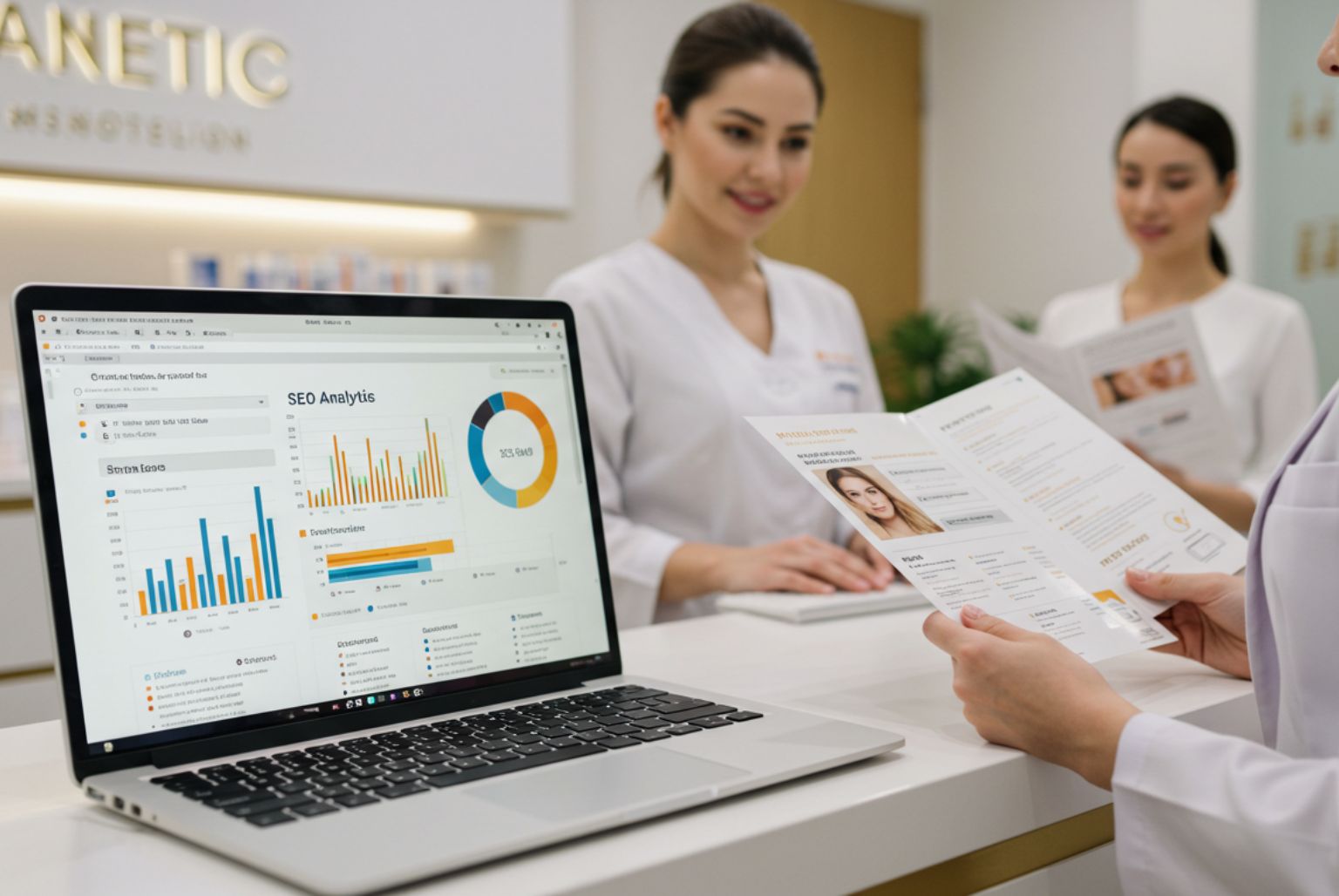
Search Engine Optimisation (SEO) is one of the most effective long-term strategies for driving free, high-quality traffic to your dental website. A well-optimised website that ranks highly for local and treatment-related search terms (e.g., "Invisalign York," "private dentist in Manchester") will generate new leads month after month. Focus on creating location-specific landing pages, publishing useful blogs, and earning backlinks from relevant directories and local websites. Ensure your Google Business Profile is up to date and matches your website details to improve local SEO visibility.Google Search Ads
Google Search Ads are one of the most effective channels for attracting new private dental patients. By targeting high-intent keywords like “private dentist near me,” “Invisalign in [location],” or “cosmetic dentist London,” you can appear at the exact moment people are looking for treatment. With features like location extensions, call buttons, and review highlights, these ads offer excellent visibility and conversion potential. Make sure to track phone calls and online bookings to properly measure ROI and continuously optimise performance.Local Awareness Ads on Meta (Facebook & Instagram)
Targeting your ads geographically is essential. Meta’s advertising platform allows you to run Local Awareness campaigns across both Facebook and Instagram. These platforms let you promote your dental practice to users within a set radius of your clinic, with features like call buttons, map cards, "Get Directions" links, and more. This is especially powerful for mobile users actively searching for nearby services and can help drive real-time enquiries for new patient appointments.Click-to-Call Google Ads
Patients searching for a dentist—especially for emergency needs—often want to call immediately. Click-to-call extensions in Google Ads boost conversion rates significantly for mobile users. It's an essential ad type for high-intent keywords like "emergency dentist near me."Mobile-Only Call Ads
Since most healthcare searches now happen on smartphones, mobile call-only campaigns are a powerful way to capture patients who are ready to book immediately. These work well when paired with location-based and emergency-related keywords.Facebook Demographic Targeting
Facebook allows detailed targeting based on gender, age, parental status, household income (estimated), and interests. Given that women make up around 90% of dental healthcare decision-makers, targeting local mothers, especially those interested in children's products, can be highly effective.Creating Regular Blogs
Publishing regular blog content on your dental website can significantly improve your SEO footprint and keep patients engaged with your brand. A blog allows you to target more keywords (answering patients’ common questions) and demonstrate expertise, which in turn drives traffic and builds trust. Data shows the clear benefits of blogging:- More website visitors. Businesses that maintain an active blog see a 55% increase in website visitors on average compared to those that don’t blog. Each new blog post is a fresh page that can rank in search engines (for example, a post about “how to ease a toothache” could attract someone searching for that problem). More indexed pages and topics mean more chances to attract potential patients to your site.
- More leads and conversions. Blogging isn’t just about traffic, but traffic can translate to more leads. For a dental practice, those leads could be appointment requests or new patient calls. By providing useful, relevant information (like dental hygiene tips or explaining procedures) in your blog, you nurture readers into trusting your practice and eventually converting.
- SEO advantages through content and backlinks. Quality blog content naturally earns backlinks from other sites (for instance, a local mommy blog linking to your post on kids’ dental health). Businesses with blogs get 97% more inbound links to their websites on average. These backlinks boost your site’s domain authority, which is a factor in Google rankings. In short, a blog filled with informative articles improves your search visibility and gives patients a reason to stay on your site longer (lowering bounce rate and increasing engagement).

Leave a comment
This site is protected by hCaptcha and the hCaptcha Privacy Policy and Terms of Service apply.